Decoding the Breed Standard: Navigating IMZA vs. AMZA in the Show Ring

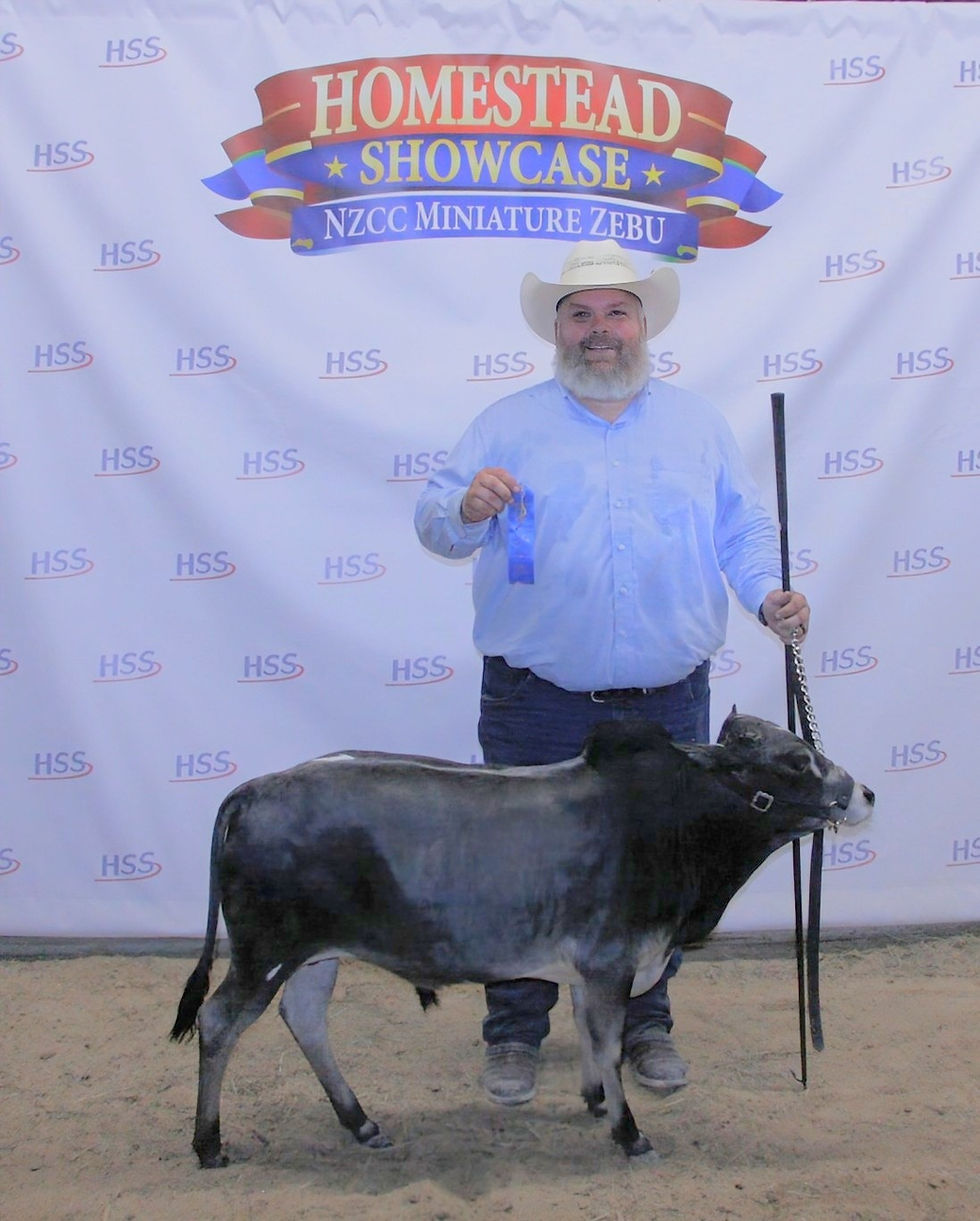
If you’ve ever sat ringside at a Miniature Zebu show, you know that judging these magnificent, compact animals is an art form. Unlike full-sized market cattle that are judged heavily on extreme muscling or raw meat yield, judging a Miniature Zebu is all about moderation, balance, and proportion relative to size.
However, if you are preparing to step into the show ring, you have to know which rulebook you are playing by. In the United States, two primary registries govern the breed: the International Miniature Zebu Association (IMZA) and the American Miniature Zebu Association (AMZA). While both organizations share the ultimate goal of preserving this naturally occurring miniature breed, their written standards have subtle, crucial differences that can completely change how a judge looks at your animal.
Let’s decode the breed standards and explore why the differences between the IMZA and AMZA matter for your show string.
The Core Standard: What Stays the Same
Before looking at the differences, it helps to understand the baseline geometry of a great Zebu. Whether you are showing under an IMZA or AMZA judge, they will both be looking for the fundamental hallmarks of the breed:
The Hump: Centered directly over or just ahead of the shoulders. It should be upright, firm, and well-developed (particularly in bulls).
The Head & Ears: A distinct, moderately long, coffin-shaped skull. Crucially, the ears should be pointed and non-pendulous—meaning they stand alert or outward, never droopy like a Brahman.
The Dewlap: A beautiful, characteristic fold of skin under the neck that is moderately developed but free of excess fleshiness.
IMZA vs. AMZA: Key Differences
While they share the same phenotypic roots, the two associations diverge on a few technical requirements. Understanding these nuances is vital before you enter a class.
1. The Height Discrepancy
Height is the single most strict qualification for any miniature breed, but the two registries measure the cut-off threshold slightly differently:
IMZA: The maximum permitted standard height for a mature animal is 42 inches. Crucially, the IMZA standard dictates that the animal must be measured directly behind the hump at the withers.
AMZA: While the maximum height threshold remains 42 inches for full registration, AMZA class breakdowns and secondary height brackets can place a heavy emphasis on the hip measurement or top-of-the-shoulder tracking. Knowing exactly where the judge's stick will land on your cow's back is everything when a fraction of an inch determines their class.
2. Horn Classification and Dehorning
How an association handles horns impacts your herd management decisions from the moment a calf is born:
IMZA: The standard explicitly embraces the traditional look, detailing relatively short horns (typically up to 12 inches) that curve gracefully outward and upward. However, the IMZA allows polled (naturally hornless) or dehorned/disbudded animals to be shown without penalty.
AMZA: AMZA historically places a massive premium on the preservation of the breed's native, ancestral appearance. In certain strictly sanctioned AMZA classes, an animal with its natural, intact horns is highly favored to reflect the historical archetype of the Nadudana cattle out of southern India.
3. Coloration and Breed Character Penalties
Color doesn't affect how an animal walks, but it heavily affects "breed character" points on a judge's scorecard:
IMZA: Recognizes a broad spectrum including solid gray, steel gray, black, red, spotted, and near pure white. They explicitly note that mature bulls naturally darken around the neck, shoulders, and hump.
AMZA: Can be slightly more critical of "dilute" traits or markings that suggest historical crossbreeding with Bos taurus (conventional) miniature cattle. They watch closely for breed purity markers in the skin pigmentation and eye brims.
Why This Matters for Showing
The Judge’s Bias
Judges are trained to evaluate animals based strictly on the association rules sanctioning that specific show. An IMZA judge is looking heavily at structural soundness, structural moderation, structural movement, and how closely the animal tracks the 42-inch wither limit. An AMZA judge might give a closer eye to absolute ancestral "type"—paying hyper-close attention to the exact slope of the horn, the size of the dewlap, and traditional breed character.
Fitting and Presentation
Because the registries hold slightly different formatting priorities, how you "fit" (groom and present) your Zebu changes. For instance, showing a polled or dehorned animal requires a strategy that emphasizes body capacity and structural balance to compensate for the loss of that classic horn silhouette in rings that favor the traditional look. One assocation does not encourage clipping, the other doesn't mention a preference.
The Takeaway for Ranchers
If you want to find success on the show circuit, never guess the standard. Keep copies of both the IMZA and AMZA guidelines in your showbox. By understanding exactly what each association prioritizes, you can select the right shows for your specific herd genetics, fit your animals to perfection, and step into the ring with absolute confidence.
Are you currently fitting your string for an upcoming show? Let us know in the comments whether you’re tracking toward an IMZA or AMZA event this season!

Comments