Miniature Zebu Pricing and Value

If you’ve been scrolling through livestock listings or attending regional show meets, you’ve likely noticed a massive price range for Miniature Zebu. You might see an unpedigreed bull calf listed for $300 on local classifieds, while a double-registered show quality heifer can command $2,000 to $4,000+.
Why such a wide gap for animals that belong to the same breed?
When you purchase a Miniature Zebu, you aren't just paying for the animal standing in front of you—you are paying for pedigree, structural correctness, labor, health, and peace of mind. Here is a realistic breakdown of what different price points buy, and why investing in a show-quality, double-registered animal is often the smartest long-term decision.
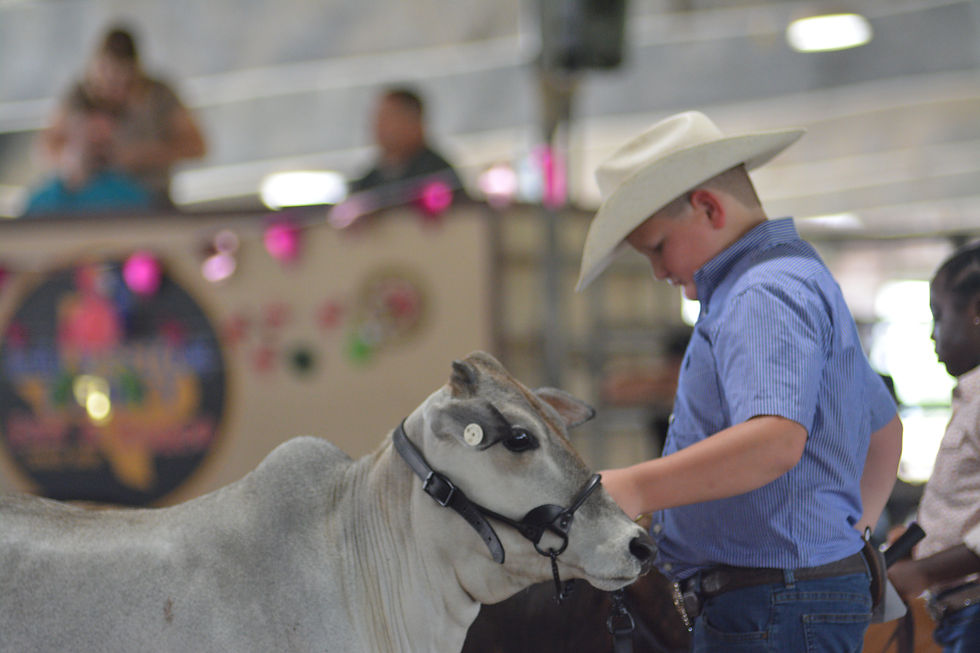
**As a rule cows and heifers are generally higher priced than steers and young bulls. Older, proven, high quality bulls can bring prices that rival or even exceed females.
1. The Miniature Zebu Price Spectrum: What Are You Paying For?
Understanding the market starts with knowing how buyers categorize stock based on purpose and genetic security.
       [ Unpedigreed / Pet Quality ]  ==>  $300 – $600
       [ Single-Registered / Herd  ]  ==>  $800 – $1,500
       [ Double-Registered / Show  ]  ==>  $1,800 – $4,000+
Tier 1: Unpedigreed / Unregistered Stock ($300 – $600)
Best for: Casual homestead companion, brush clearing, or pet animals with no intent to breed or show.
The Reality: These animals lack official lineage records. While they may look small as calves, you have zero genetic guarantee of their adult height, hump placement, or temperaments. Many unregistered Zebus are crossbred with other mini breeds (like Dexter or Lowline), meaning a 4-month-old "micro" calf could easily mature past 42 inches.
Tier 2: Single-Registered / Commercial Breeding Stock ($800 – $1,500)
Best for: Commercial starter herds or homesteaders looking for a gentle, small-scale cow.
The Reality: Typically registered with one primary association (such as the American Miniature Zebu Association [AMZA] or the International Miniature Zebu Association [IMZA]). These animals meet basic breed standards, but they may lack verified multi-generational pedigree depth, peak show-ring conformation, or extensive handling and training.
Tier 3: Double-Registered, Show-Quality Stock ($1,800 – $4,000+)
Best for: Breeders, youth show competitors, and buyers who want verified genetics, small mature height, and a halter-broke animal ready for the ring or pasture.
The Reality: Dual registration (AMZA + IMZA) guarantees fully documented lineage, genetic purity, and eligibility to compete in both official show circuits. These animals are bred specifically against structural flaws and are handled extensively from birth.
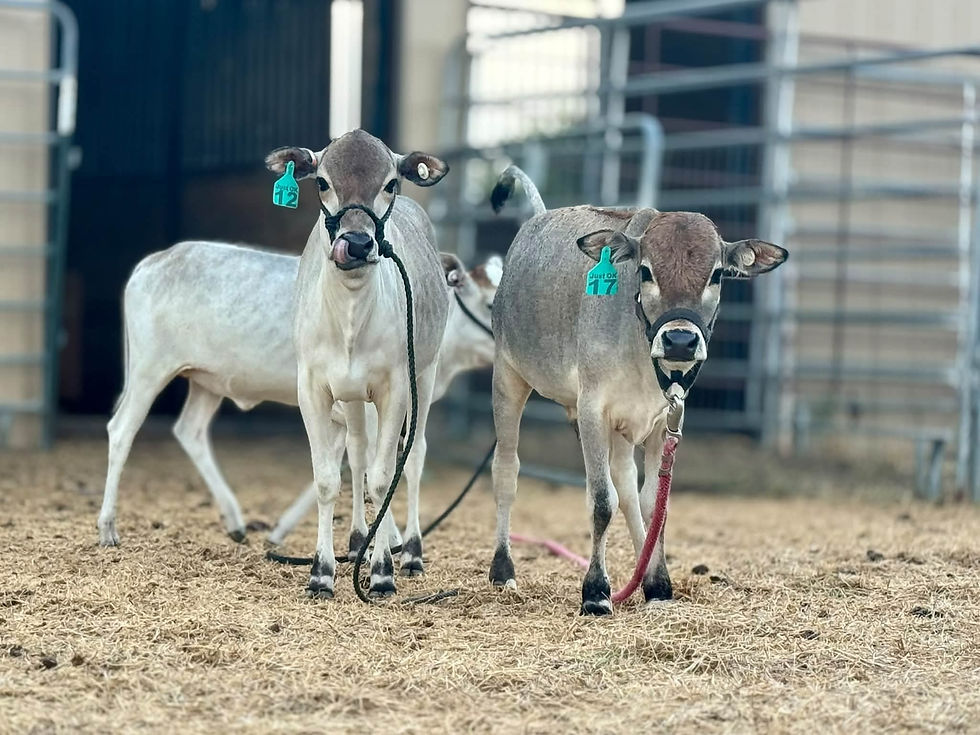
2. Deciding What You Need: A Buyer’s Guide
Before placing a deposit, match your long-term goals to the tier of animal you are looking for.
Buyer Goal | Recommended Tier | Why It Matters |
Pasture Pet / Mower | Unregistered Steer | Low upfront cost; registration paper trail is unnecessary for non-breeding animals. |
Youth 4-H / Open Showing | Double-Registered Heifer / Bull | Meets height requirements, correct topline and hump placement, halter-broke for safe handling. |
Seedstock Breeder | Double-Registered Proven Pedigree | Buyers pay premium prices for offspring backed by verifiable AMZA/IMZA bloodlines. |
Small-Scale Homestead | Single/Double Registered Cow | Proven, calm temperament and clean genetic health records are vital. |
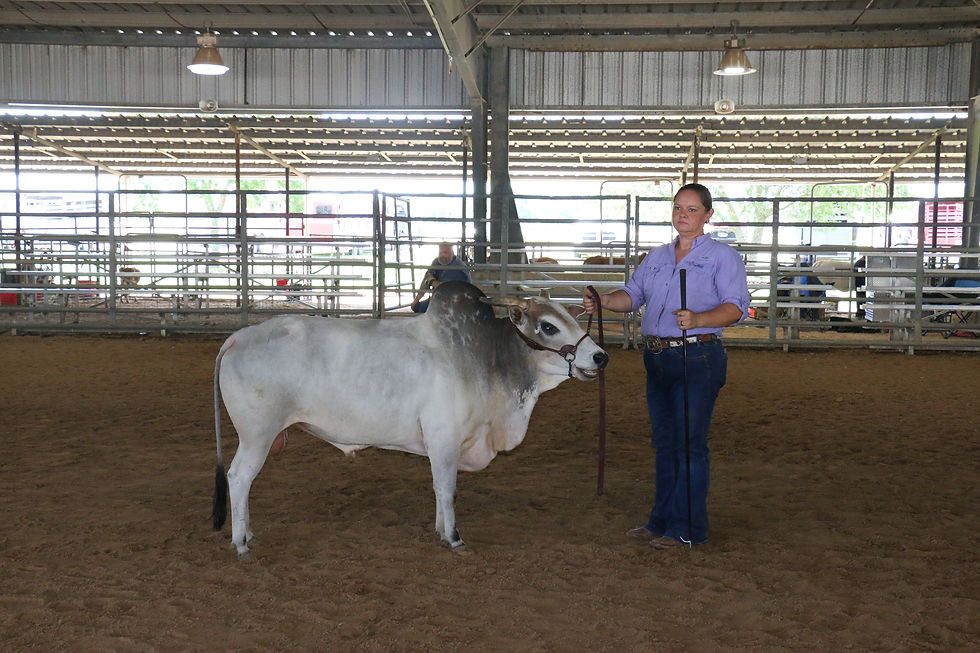
3. What Goes into a Double-Registered, Show-Quality Zebu?
When a reputable breeder lists a show-quality heifer or bull for $2,500+, that price reflects substantial upfront investments in veterinary care, lineage validation, and daily hands-on training.
                     +---------------------------------------+
                     |    SHOW-QUALITY INVESTMENT BREAKDOWN  |
                     +---------------------------------------+
                                         |
          +------------------------------+------------------------------+
          |                              |                              |
[ Genetic & Registry Fees ]    [Preventive Veterinary Care]     [Training]
 • Permanent ID     		     • Core cattle vaccines           • Tying
 • AMZA & IMZA certificates     • De-worming & parasite control  • Leading
 • Verified multi-gen lineage   • Regular Hoof Trimming          • Bathing
Dual Registration & Genetic Verification
To achieve double-registered status, the breeder incurs fees with both AMZA and IMZA. This includes mandatory permanent identification (microchipping, tattoo, or official ear tags), DNA profiling/parentage verification where required, and administrative filing fees. Dual registration ensures that regardless of which show circuit or registry a future buyer prefers, the animal is fully qualified.
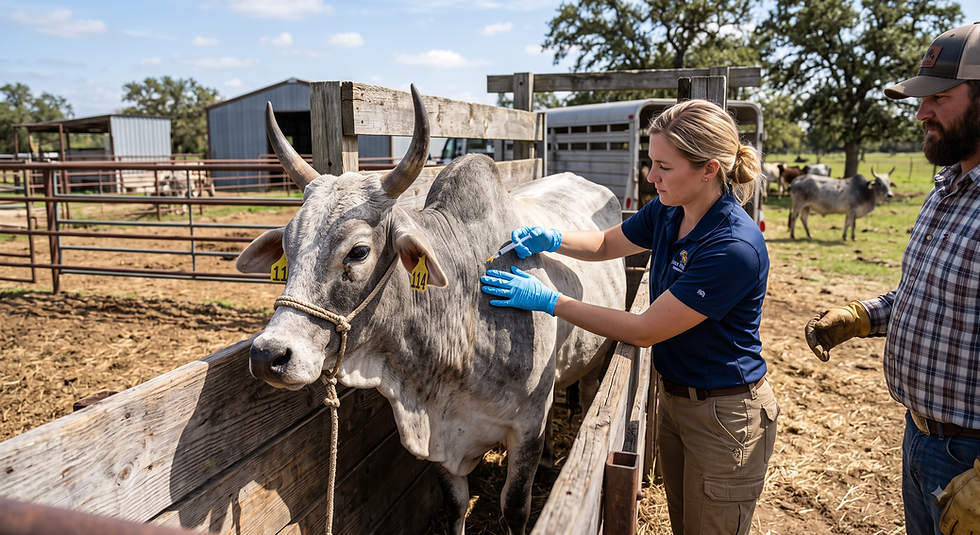
Comprehensive Veterinary Protocol
A high-quality animal leaves the farm with a complete medical foundation:
Core Vaccinations: Immunizations against respiratory and reproductive diseases (e.g., 5-way viral, Leptospirosis, Clostridial/Blackleg).
Parasite Management: Systematic internal/external deworming schedule.
Veterinary Inspection: An official Certificate of Veterinary Inspection (CVI) confirming soundness and health prior to transfer.
Daily Labor, Halter Training & Desensitization
A Miniature Zebu’s structural beauty means little in the show ring if the animal cannot be safely handled. Show-quality animals undergo weeks of daily training:
Weaning & Human Bonding: Handled regularly from calfhood to build trust.
Halter Breaking & Leading: Taught to yield to pressure, walk calmly beside a handler, and stop on command.
Tying & Standing: Conditioned to stand tied patiently for grooming, hoof trimming, and vet checks.
Desensitization: Exposed to show-stick touch, clippers, trailers, and unfamiliar noises to ensure show-ring readiness.
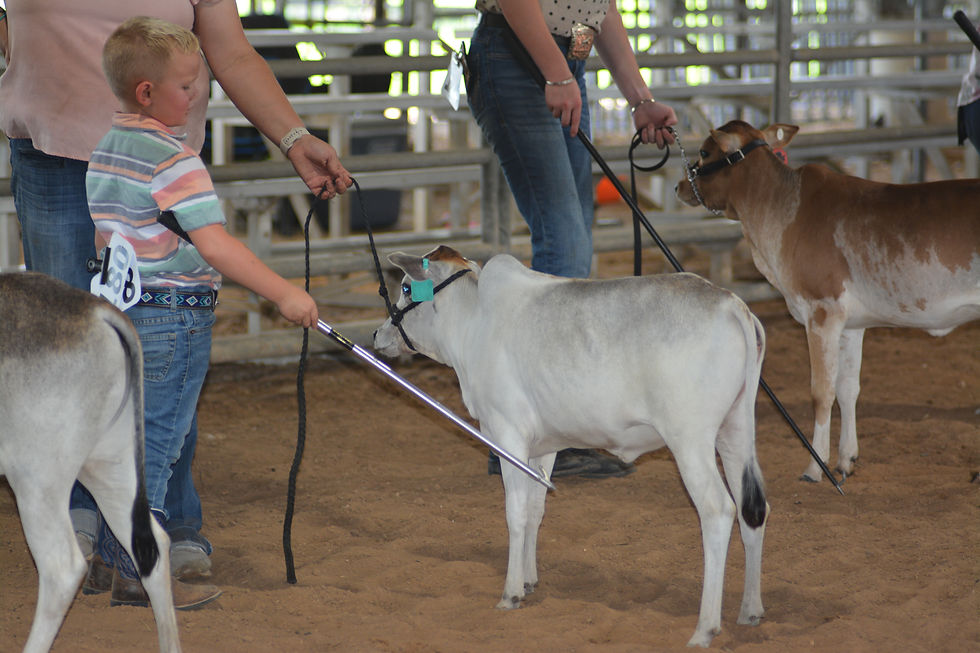
The Bottom Line
A lower sticker price on an unregistered animal often shifts the hidden costs onto you—unpredictable mature height, unverified health history, structural defects, and hours of difficult halter training.
When you invest in a double-registered, show-quality Miniature Zebu, you aren't just buying a cow—you are buying predictability, safety, and a foundation for your herd's genetic future.

Comments