Guarding Herd Health: Recommended Vaccination Schedules for Cattle

A proactive herd health strategy is essential for protecting cattle from preventable infectious diseases, safeguarding reproductive performance, and maintaining overall farm productivity. Developing and maintaining an effective vaccination schedule—tailored to your specific region, management style, and herd goals—serves as the front line of defense for your livestock. Work with your veterinarian to find the best protocol for your herd and your area.
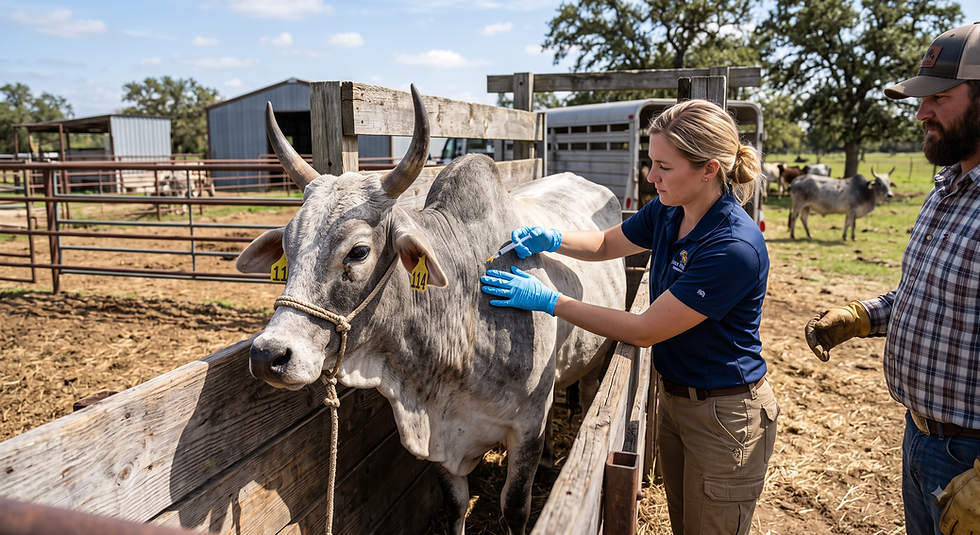
AI Generated Image
Why Vaccination Matters
Vaccines prepare an animal's immune system to recognize and combat specific pathogens before they cause clinical illness. A structured herd vaccination plan delivers several key benefits:
Prevents Disease Outbreaks: Shields animals from widespread, high-mortality viral and bacterial infections.
Protects Reproductive Health: Prevents embryonic loss, abortions, and stillbirths caused by reproductive pathogens.
Builds Maternal Immunity: Ensures pregnant cows produce high-quality colostrum rich in antibodies to protect newborn calves during their first weeks of life.
Enhances Performance: Keeps calves healthy through weaning and growth phases, reducing veterinary costs and performance setbacks.
Core Cattle Vaccines
While specific vaccination protocols vary based on geography and herd risk factors, several core vaccines form the foundation of most cattle health programs:
1. Respiratory Pathogens (Bovine Respiratory Disease Complex / BRD)
Often referred to as "shipping fever," BRD is a primary cause of illness in young and stressed cattle. Respiratory combinations generally cover:
Bovine Viral Diarrhea (BVD - Types 1 & 2): Causes respiratory illness, digestive issues, and severe reproductive failure.
Infectious Bovine Rhinotracheitis (IBR): Also known as "red nose," affects the upper respiratory tract and can cause abortions.
Bovine Respiratory Syncytial Virus (BRSV): A viral infection causing severe lower respiratory illness in young calves.
Parainfluenza-3 ($PI_3$): A mild respiratory virus that predisposes animals to secondary bacterial pneumonia.
Bacterial BRD Agents: Includes Mannheimia haemolytica, Pasteurella multocida, and Histophilus somni.
2. Clostridial Diseases (7-Way or 8-Way Vaccines)
Clostridial bacteria are widely present in soil and the digestive tract. They produce deadly toxins that act rapidly, often causing sudden death before symptoms are noticed. Core clostridial coverage includes:
Blackleg (Clostridium chauvoei)
Malignant Edema (Clostridium septicum)
Red Water / Bacillary Hemoglobinuria (Clostridium haemolyticum)
Enterotoxemia / Overeating Disease (Clostridium perfringens Types C & D)
Tetanus (Clostridium tetani)
3. Reproductive Pathogens
To maintain high calf crop percentages, breeding stock should be protected against infectious reproductive diseases:
Leptospirosis (5-Way Lepto): Bacterial infection transmitted through water or urine that causes late-term abortions and kidney issues.
Vibriosis (Campylobacter fetus): A venereal disease that causes early embryonic loss and extended breeding cycles.
Vaccination timing depends heavily on the animal's age, maternal antibody levels, and production cycle. In young calves ranging from birth to three months of age, intranasal respiratory vaccines can be administered early in life to establish mucosal immunity without interference from maternal antibodies in colostrum. Clostridial vaccines are often introduced around two to three months of age in high-risk environments.
As calves approach weaning between four and eight months of age, they require a structured two-step immunizing series. The initial pre-weaning round—given two to four weeks prior to weaning—includes a 5-Way viral respiratory combination, a 7-Way or 8-Way clostridial vaccine, and bacterial BRD coverage. A booster round given at weaning reinforces long-term immunity. Additionally, replacement heifers between 4 and 12 months of age should receive the Brucellosis (RB51 or "Bangs") vaccine administered by an accredited veterinarian.
For breeding replacement heifers, a modified-live or killed 5-Way respiratory booster paired with Lepto/Vibrio protection should be given 30 to 60 days pre-breeding to ensure maximum protection before bull exposure or artificial insemination. Mature cows and herd sires require annual boosters of IBR, BVD, Leptospirosis, and Vibriosis 30 to 60 days before the breeding season begins. Some producers also administer clostridial boosters or specialized scours vaccines (targeting E. coli, rotavirus, and coronavirus) to late-gestation cows 6 to 8 weeks before calving to maximize antibody levels in the colostrum for newborns.
Proper handling and execution are just as critical as selecting the right vaccine. Always establish your vaccination plan alongside a licensed veterinarian who understands the specific disease risks in your local area. Pay close attention to product label directions regarding proper dosage, withdrawal periods, and the route of administration.

Comments