Feeding the Herd: A Guide to Miniature Zebu Nutrition


When it comes to raising livestock, nutrition is the foundation of everything. It drives growth, fuels reproduction, impacts show-ring condition, and keeps the immune system strong.
Because Miniature Zebus are uniquely adapted to hot climates and low-quality native roughage, they don't eat like your standard European (Bos taurus) cattle. In fact, their highly efficient metabolisms mean they require up to 40% less forage and water than conventional breeds. However, achieving "high efficiency" doesn't mean leaving nutrition to chance.
Here is our comprehensive guide to building a solid nutritional foundation for your Miniature Zebu herd.
1. The Foundation: High-Quality Forage
Like all cattle, Miniature Zebus are ruminants designed to convert plant fiber into energy.
Pasture Management: Zebus are excellent browsers and will efficiently utilize standard pasture grasses. Because of their light footprint and smaller size, they are ideal for maximizing small-acreage grazing spaces.
Hay Selections: When pasture conditions drop—such as during freezing winters or dry summer droughts—supplementing with high-quality grass hay (like Coastal Bermuda or native grass mixes) is vital to keep the rumen functioning properly.
2. Grain and Concentrates: Use with Caution
One of the most common mistakes new owners make is overfeeding grain. Because Zebus are incredibly efficient feed converters, a high-grain diet can quickly lead to obesity, structural issues, and metabolic complications like bloat.
Maintenance: For mature cows and bulls on good pasture, grain is rarely a daily necessity.
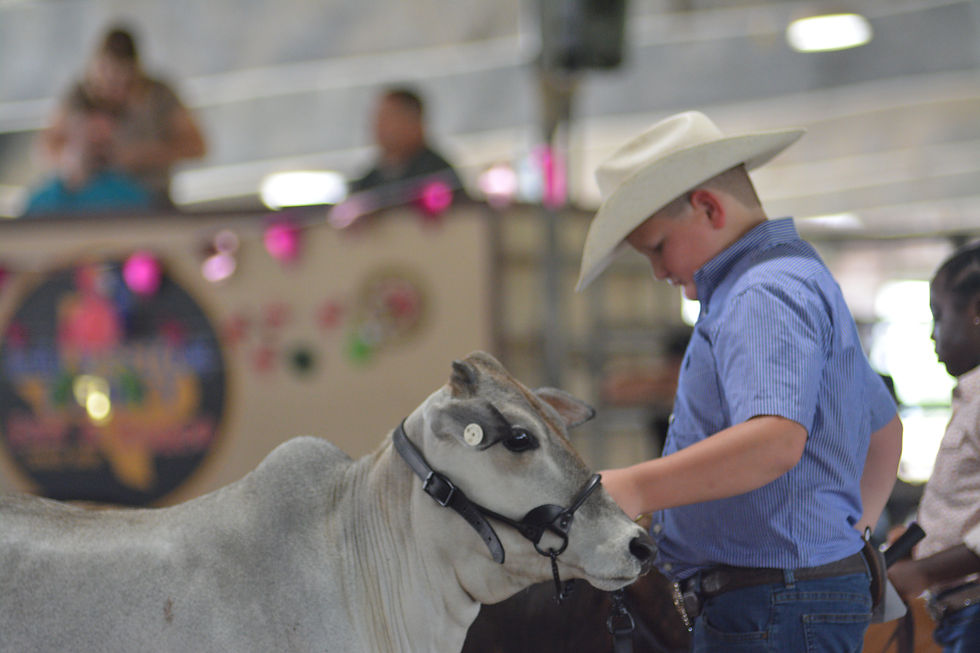
When to Supplement: Energy-dense concentrates are best reserved for specific production stages, such as late-gestation or lactating cows, growing calves, or animals being fitted for the show ring. When feeding concentrates, ensure adequate bunk space so timid animals aren't pushed away.
3. The Power of Minerals and Vitamins
Even the best pasture can have localized nutrient deficiencies. Providing free-choice, loose livestock minerals year-round is non-negotiable.
Macro and Micro Minerals: Your herd needs continuous access to calcium, phosphorus, salt, and trace minerals like copper, zinc, and selenium, which support immune function and reproductive health.
Loose vs. Blocks: Loose mineral mixes are generally preferred over hard mineral blocks, as cattle can easily consume the volume they need without wearing down their teeth.
4. Hydration is Fuel
A Zebu's nutritional plan is only as good as their water source. While they are exceptionally heat-tolerant, a mature animal's water intake can skyrocket during hot months. Clean, cool, algae-free water must be accessible at all times to ensure optimal digestion and feed intake.
📚 Additional Reading & Extension Resources
To dive deeper into the science of cattle nutrition, matching forage quality to herd performance, and managing rations, check out these excellent online resources from Agricultural Extension offices:
Texas A&M AgriLife Extension – Beef Cattle Extension Resources: A treasure trove of regional guides covering livestock water quality, drought management, and nutritional strategies tailored for southern climates.
Read more at: Texas A&M Animal Science Extension
Penn State Extension – Beef Cattle Nutrition and Feeding: Provides incredible educational videos and articles explaining the foundational mechanics of ruminant nutrition, pasture walk evaluations, and feed management planning.
Read more at: Penn State Extension
University of Nebraska-Lincoln Extension – Managing Rations in Dry Conditions: Offers excellent practical advice on limit-feeding, utilizing co-products, evaluating body condition scores, and reducing hay waste in the feed bunk.
Read more at: UNL Panhandle Research Extension
How do you manage your herd's nutritional calendar? Do you rotate pastures or rely heavily on seasonal hay testing? Let us know your strategies in the comments below!

Comments