Maximizing Small Acreage: The Surprising Benefits of Raising Miniature Zebu Cattle

Raising cattle on small acreage or homesteads often feels like a challenge. Traditional cattle breeds require large pastures, significant feed, and extensive care. But miniature Zebu cattle offer a unique alternative that fits perfectly with limited space and sustainable living goals. These small, hardy animals bring surprising benefits that make them ideal for small-scale farmers and homesteaders.

What Are Miniature Zebu Cattle?
Miniature Zebu cattle are a smaller variety of the Zebu breed, originally from South Asia. Known for their distinctive humps, loose skin, and heat tolerance, Zebus have adapted to harsh climates and limited resources. The miniature version stands about 34 to 42 inches tall at the shoulder, making them manageable on small plots of land.
Their size does not compromise their hardiness. Miniature Zebus are resistant to many diseases common in cattle and require less feed than larger breeds. This makes them a practical choice for homesteaders who want livestock but face space or resource constraints.
Space Efficiency and Land Use
One of the biggest advantages of miniature Zebu cattle is their suitability for small acreage. Unlike traditional cattle that need several acres per head, miniature Zebus thrive on much less space. Their smaller size means:
Lower grazing pressure on pastures, allowing for better land management.
Ability to rotate pastures more frequently, which promotes soil health.
Easier to integrate into mixed-use homesteads with gardens, orchards, or other livestock.
For example, a homesteader with just one or two acres can maintain a small herd of miniature Zebus without overgrazing. This efficient use of land helps maximize productivity and sustainability.
Low Maintenance and Cost-Effective Care
Miniature Zebus require less feed and water than larger cattle, reducing ongoing costs. Their natural resistance to heat and parasites means fewer veterinary bills and less need for chemical treatments. They also have a calm temperament, which makes handling easier and safer for small-scale farmers.
Key points about their care:
They can subsist on native grasses and forage, reducing the need for expensive supplemental feed.
Their compact size means less manure production, simplifying waste management.
They adapt well to varied climates, including hot and humid conditions where other cattle struggle.
These factors combine to make miniature Zebus a cost-effective livestock option for homesteads aiming to keep expenses low while maintaining healthy animals.
Versatility in Homestead Roles
Miniature Zebu cattle offer multiple benefits beyond meat production. Their versatility makes them valuable additions to small farms:
Milk production: Though smaller, they produce rich, creamy milk suitable for personal use or small-scale dairy products.
Breeding stock: Their genetics can improve heat tolerance and disease resistance in crossbreeding programs.
Draft animals: In some regions, miniature Zebus are trained for light draft work, such as pulling carts or plowing small fields.
High Meat Quality:. Processing yields from traditional cattle breed can often be 400+ pounds. Miniature zebu yields are often half that making them much more cost efficient for smaller families.
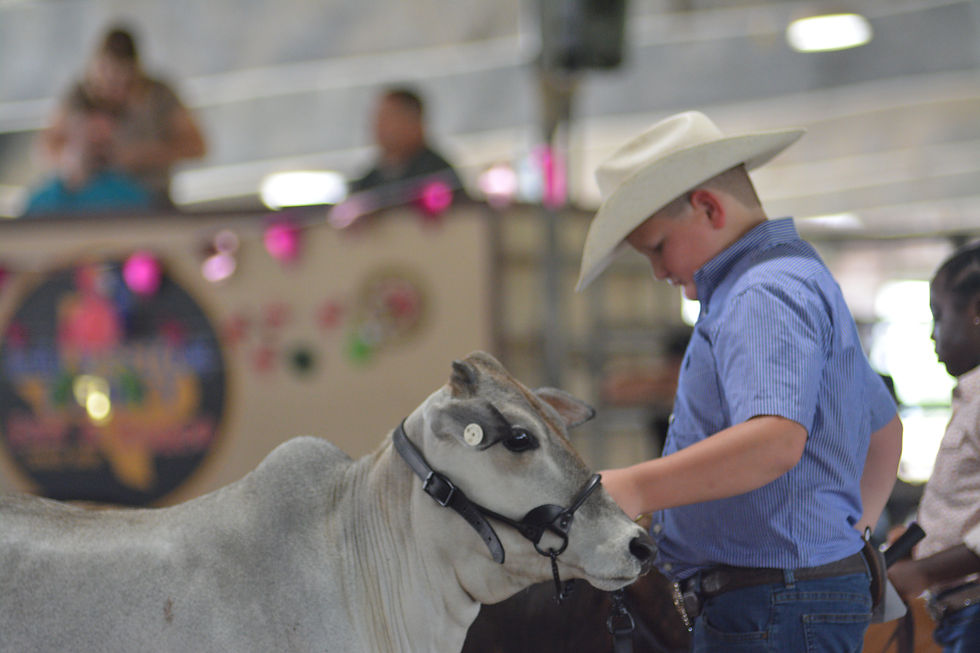
Companionship and education: Their manageable size and gentle nature make them excellent for educational farms or family homesteads.
This range of uses means miniature Zebus can fit many homestead goals, from food production to sustainable farming education.
Environmental Benefits
Raising miniature Zebu cattle supports environmentally friendly farming practices. Their smaller size and efficient grazing habits help maintain pasture health and biodiversity. They contribute to:
Improved soil fertility through natural manure distribution.
Reduced erosion by preventing overgrazing.
Lower greenhouse gas emissions compared to larger cattle breeds due to their smaller feed intake and size.
By choosing miniature Zebus, homesteaders can reduce their environmental footprint while still enjoying the benefits of livestock.
Practical Tips for Raising Miniature Zebu Cattle
If you are considering miniature Zebus for your small acreage, here are some practical tips to get started:
Start with a small herd: Two to four animals allow you to manage breeding and care without overwhelming your space.
Provide shelter: Though hardy, they need protection from extreme weather, especially cold winters and rain.
Manage pasture rotation: Move them regularly to fresh grazing areas to prevent overuse.
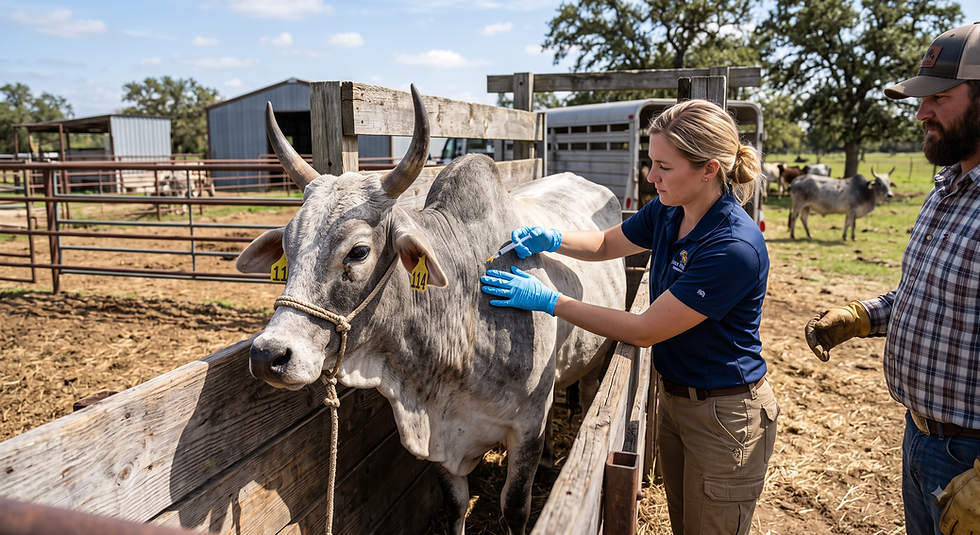
Monitor health regularly: Even with their resistance, routine checks help catch issues early.
Connect with breeders: Find reputable sources to ensure healthy animals with good genetics.
These steps will help you build a thriving miniature Zebu herd that fits your homestead lifestyle.

Comments