Building a Lifelong Partnership with Your Veterinarian: Essential for Miniature Zebu Care

Raising miniature zebu requires more than just daily feeding and shelter. These unique animals need specialized care, and finding a reliable large animal veterinarian is becoming increasingly difficult. Nationwide, there is a shortage of vets who understand the specific needs of miniature zebu and other large animals. When you find a good vet, it is crucial to build and maintain a strong relationship with them. This partnership can make a significant difference in the health and well-being of your animals.

Why Finding a Good Large Animal Vet Matters
Large animal vets are becoming rare, there is a nationwide shortage of rural and large animal vets. A vet familiar with cattle behavior, diet, and common health issues can provide better care and advice.
Without a knowledgeable vet, you risk delayed diagnosis, ineffective treatments, and missed opportunities for prevention. A good vet helps you avoid costly emergencies by guiding you through routine care and early detection of problems.
How to Nurture Your Relationship with Your Vet
Once you find a vet who understands miniature zebu, invest time and effort in building a strong, ongoing partnership. Here are some practical ways to nurture this relationship:
Communicate openly: Share detailed information about your animals’ behavior, diet, and any concerns. Transparency helps your vet provide tailored advice.
Schedule regular check-ups: Preventative care is key. Routine farm calls allow your vet to monitor health trends and catch issues early.
Follow vaccination and health protocols: Work with your vet to develop a vaccination schedule and health plan specific to your herd.
Respect their time and expertise: Be punctual for appointments and prepared with questions or updates. Try to schedule health certificate, testing, and vaccinations with plenty of time before shows to prevent the additional stress and costs for "rush" requests.
Express appreciation: A simple thank you or positive feedback strengthens your connection.
Developing Effective Preventative Care Routines
Preventative care reduces the risk of illness and emergencies. Collaborate with your vet to create a care routine that fits your miniature zebu’s needs. This routine might include:
Vaccination programs tailored to local disease risks and your animals’ lifestyle.
Parasite control through regular deworming and pasture management.
Nutritional guidance to ensure balanced diets that support immune health.
Regular health screenings to monitor weight, coat condition, and behavior changes.
Biosecurity measures to prevent disease introduction from new animals, traveling to shows, or visitors.
By following a vet-approved plan, you can keep your miniature zebu healthy and reduce unexpected vet visits.
The Role of Your Vet in Emergencies and Health Certificates
Emergencies can happen despite the best care. Having a trusted vet means quick, knowledgeable responses when your animals need urgent attention. Your vet can:
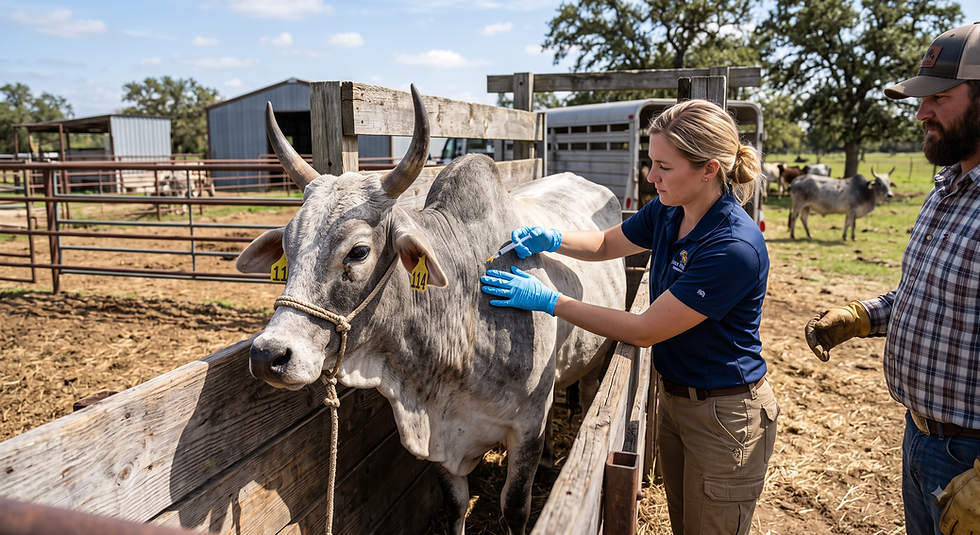
Provide immediate treatment for injuries or sudden illnesses.
Advise on managing chronic conditions.
Help with transport or sale by issuing health certificates required by law.
For example, our veterinarian, Dr. Marden and her team have been invaluable in handling unforeseen emergencies and ensuring all health certificates are up to date. As we began our journey, her knowledge of cattle and proper care was crucial. Their support gives peace of mind and keeps the program running smoothly.
Building Trust Through Consistency and Collaboration
Trust grows from consistent, positive experiences. When your vet sees that you follow their advice and care for your animals responsibly, they become more invested in your success. This collaboration benefits both sides:
You gain expert guidance tailored to your herd.
Your vet gains a reliable client who values their work.
Your miniature zebu receive the best possible care.
Practical Tips for Vet Visits and Communication
To make the most of your vet relationship, consider these tips:
Keep detailed records of treatments, vaccinations, and health changes.
Prepare your animals for visits to reduce stress.
Ask questions about anything unclear.
Share photos or videos if you notice unusual behavior between visits.
Update your vet on any changes in your herd or environment.
Good communication helps your vet provide timely and accurate care.
Appreciating the Value of a Dedicated Vet Team
A vet’s support extends beyond medical care. They often provide education, resources, and reassurance. Recognizing their role encourages a positive, long-term partnership.
For instance, Dr. Marden’s team not only handles vaccinations and emergencies but also offers advice on nutrition and herd management. Their involvement strengthens the overall health program and improves outcomes.

Comments