Essential Guide to Caring for Pregnant Mini Zebu Cows and Their Newborn Calves

Spring marks the arrival of baby season on many farms, and caring for pregnant mini Zebu cows requires special attention to ensure healthy calves and smooth calving. These small but hardy cattle have unique needs during pregnancy, calving, and the critical first days of a calf’s life. This guide covers everything you need to know to prepare for and support your mini Zebu cows and their newborns.

Understanding Mini Zebu Pregnancy
Mini Zebu cows have a gestation period similar to other cattle, lasting about 280 days. However, their smaller size means monitoring their health closely is essential to avoid complications.
Signs of Pregnancy
Physical changes: The abdomen gradually enlarges, and the udder begins to develop in the last trimester.
Behavioral changes: Pregnant cows may become more aloof and seek isolation as calving approaches.
Veterinary confirmation: Blood testing, ultrasound, or palpation by a vet around 60 days after breeding confirms pregnancy.
Nutrition for Pregnant Mini Zebu Cows
Proper nutrition supports fetal growth and prepares the cow for lactation.
Balanced diet: Provide high-quality forage such as hay or pasture, supplemented with grains or commercial feed formulated for pregnant cattle.
Minerals and vitamins: Ensure access to a mineral block or supplement rich in calcium, phosphorus, and trace minerals. Selenium in particular may be necessary depending on your local soil. We live in a selenium deficient area, so we give all of our pregnant cows a MultiMin injection a few months before calving.
Water: Fresh, clean water must be available at all times.
Avoid overfeeding to prevent excessive weight gain, which can complicate calving.
Preparing for Calving
As the due date nears, preparation helps reduce stress and risks for both cow and calf.
Setting Up a Calving Area
Clean and dry: Choose a sheltered spot with good drainage to keep the area dry.
Space: Provide enough room for the cow to move comfortably and lie down.
Safety: Remove hazards like sharp objects or uneven ground.
Comfort: Seperating a cow for calving may cause undue stress. Unless there are safety concerns it is usually best to leave her with her friends in the pasture. We do remove our bulls from nursery pastures.
Monitoring Signs of Imminent Calving
Watch for these signs in the last 24 to 48 hours:
Udder swelling and milk leakage
Relaxation of pelvic ligaments
Restlessness and frequent lying down and standing up
Clear mucus discharge
What to Expect During Calving
Mini Zebu cows generally calve without assistance, but knowing the stages helps you intervene if needed.
Stages of Labor
First stage: Lasts 6 to 12 hours; the cow shows restlessness and contractions begin.
Second stage: Active labor with visible contractions and the calf’s feet or nose appearing; usually lasts 30 minutes to 2 hours.
Third stage: Delivery of the placenta within 6 to 12 hours after the calf is born.
When to Assist
Labor lasting more than 2 hours without progress in the second stage
Abnormal presentation of the calf (e.g., breech or one leg back)
Signs of distress in the cow such as heavy bleeding or exhaustion
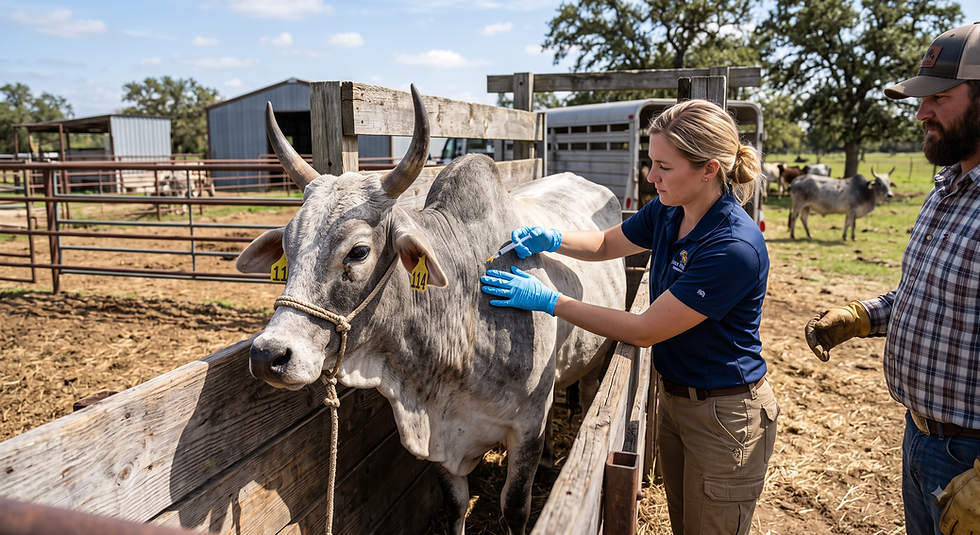
If you think there are problems, call your vet if you can for them to come out on a farm call. Nothing on this website should be taken as veterinary or medical advice. You should always work closely with your vet on all medical concerns. If you need to assist, use clean hands and gloves, and gently help the calf’s delivery. Contact a veterinarian if complications arise.
Caring for the Newborn Calf
The first few days are critical for the calf’s survival and health. We have found our zebu calves can have VERY lax leg tendons at birth. Discussing this with our vet and more veteran breeders we identified a selenium difficiency in our herd that we had addressed. This has helped significantly, though, as a breed many of the mini zebu calves can look a little crook legged at birth. This normally straightens out as they strengthen and ligaments tighten up. If your calf has difficulty standing or moving around you may need to call in a vet. Even with lax tendons they should be able to stand and nurse within a couple of hours of birth.
Immediate Care After Birth
Clear the calf’s airways if necessary by gently wiping the nose and mouth.
Ensure the calf stands and nurses within 2 hours to receive colostrum, the first milk rich in antibodies.
Dry the calf to prevent chilling, especially in cool weather.
Monitoring the Calf’s Health
Check for signs of weakness or illness such as lethargy, diarrhea, or difficulty breathing.
Keep the calf in a clean, dry area to reduce infection risk.
Dip the umbilicus in an iodine solution for the first few days to help prevent infection.
Supporting the Cow
Continue to provide high-quality feed and water to support milk production.
Monitor the cow for signs of infection or retained placenta.
First time mamas may need support with allowing their calf to nurse. Make sure they are allowing the calf to nurse freely.
Tips for Successful Mini Zebu Calving Season
Keep detailed records of breeding dates, expected calving, and any health issues.
Have emergency supplies ready: clean towels, iodine for the navel, gloves, and a phone number for your vet.
Observe cows frequently as calving approaches, especially during the night.
Provide gentle handling to reduce stress for both cow and calf.
Spring is a busy time on the farm, but with careful preparation and attentive care, your mini Zebu cows and their calves can thrive. Healthy calves grow into strong adults, ensuring the future of your herd.

Comments