Unlocking Local Resources: How Your County Extension Office Can Enhance Success

Agriculture is a demanding field that requires constant learning and adaptation. Whether you are a seasoned farmer, a rancher, or someone new to agriculture, having access to reliable, practical information can make a significant difference in your success. One of the most valuable yet often overlooked resources is your local County Extension office and the Agricultural Extension Agent assigned to your area. These offices serve as a bridge between research institutions and the farming community, offering a variety of services designed to support and improve agricultural practices.
Understanding what the Agricultural Extension service is and how it operates can open doors to knowledge, skills, and community connections that help you manage your land and livestock more effectively. This post explores the key services offered by your local Extension office, including educational seminars, cattle care classes, agricultural law information, and pasture maintenance guidance. It also highlights opportunities to get involved in local committees and volunteer efforts that strengthen community support networks.
What is the Agricultural Extension Service?
The Agricultural Extension service is a public educational system linked to land-grant universities and government agencies. Its mission is to provide research-based information and practical advice to farmers, ranchers, and rural communities. Extension agents are experts who live and work in your county, understanding local conditions and challenges. They translate scientific research into actionable guidance tailored to your specific needs.
This service is designed to be accessible and affordable, often offering free or low-cost programs. It covers a wide range of topics, from crop production and livestock management to environmental stewardship and farm business planning.
Educational Seminars: Learning Opportunities for Every Farmer
One of the most popular offerings from the Extension office is a series of educational seminars. These sessions cover timely topics relevant to your region and season. For example, you might find seminars on:
Pest and disease management for pasture and crops
Soil health and nutrient management
Water conservation techniques
Sustainable farming and ranching practices
New agricultural technologies and equipment
These seminars are usually led by Extension agents or guest experts and provide a chance to ask questions and network with other local producers. Attending these events helps you stay updated on best practices and emerging trends that can improve your farm’s productivity and sustainability.
Cattle Care Classes: Practical Skills for Livestock Management
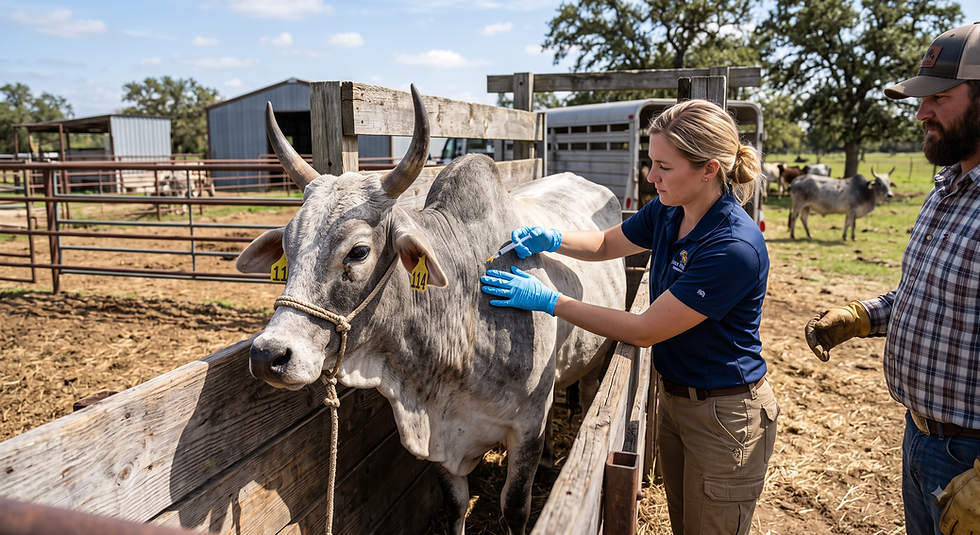
Raising cattle requires specific knowledge about animal health, nutrition, and handling. Your County Extension office often offers cattle care classes that cover essential topics such as:
Proper feeding and nutrition plans
Vaccination schedules and disease prevention
Calving management and newborn care
Safe and humane handling techniques
Record-keeping for herd health and production
These classes are designed for both new and experienced cattle owners. They provide hands-on demonstrations and practical advice that can reduce stress on animals and improve overall herd performance. Learning from local experts also means the advice is tailored to the climate, forage availability, and common health issues in your area.
Agricultural Law Information: Navigating Regulations and Rights
Farming involves more than just growing crops or raising animals; it also requires understanding legal responsibilities and rights. Extension offices often provide resources and workshops on agricultural law topics such as:
Land use and zoning regulations
Water rights and irrigation laws
Environmental compliance and conservation programs
Farm labor laws and safety regulations
Estate planning and farm succession
Having access to clear, reliable legal information helps you avoid costly mistakes and ensures your operation complies with state and federal laws. Extension agents can connect you with legal experts or provide referrals to attorneys who specialize in agricultural law.
Pasture Maintenance Information: Keeping Your Land Productive
Healthy pastures are the foundation of successful livestock farming. Extension services offer guidance on pasture management practices that improve forage quality and soil health. Topics often include:
Proper grazing management to prevent overuse
Soil testing and fertilization recommendations
Weed identification and control methods
Reseeding and pasture renovation techniques
Water source management for livestock
By following Extension advice, you can increase pasture productivity, reduce feed costs, and promote sustainable land use. Many offices also provide soil testing kits or coordinate group testing programs at low cost.

Getting Involved: Volunteering and Joining Local Committees
Beyond attending programs, you can deepen your connection to the agricultural community by volunteering or joining local Extension committees. These groups help identify community needs and plan future educational events. Participating offers several benefits:
Influence the topics and experts brought to your area
Build relationships with other farmers and Extension staff
Gain leadership experience and contribute to community development
Stay informed about funding opportunities and new programs
Volunteering can be as simple as helping organize a seminar or serving on an advisory board. Your input helps tailor Extension services to better serve local producers.
Making the Most of Your County Extension Office
To fully benefit from your local Extension office, consider these steps:
Visit the office or website to learn about upcoming events and resources
Sign up for newsletters or email updates to stay informed
Attend seminars and classes regularly to build your knowledge
Take advantage of free or low-cost soil testing and diagnostic services
Reach out to your Agricultural Extension Agent with specific questions
Explore volunteer opportunities to contribute and connect
These actions help you tap into a network of expertise and support that can improve your farm’s productivity and resilience.


Comments