Thinking of Buying your first zebu?

Zebu cattle are a unique breed known for their adaptability, resilience, and versatility. Whether you want to raise them for milk, meat, showing, or as pets, zebus offer a range of benefits that make them an attractive choice for first-time livestock owners. This guide will walk you through everything you need to know before purchasing your first zebu, including their uses, breeding considerations, space and shelter needs, fencing requirements, and the average annual cost of ownership.

Understanding the Uses of Zebu Cattle
Zebus serve multiple purposes depending on your goals and resources. Knowing what you want to achieve with your zebu will help you make the best decisions.
Milk Production
Zebus have been used as family milk cows since their initial domestication. Their milk is rich in nutrients and often used for personal consumption or small-scale dairy production. However, zebu milk yields are generally lower than specialized dairy breeds like Holsteins. If you want milk for family use or artisanal dairy products, zebus can be a good choice. When looking for a milking zebu to buy you want to find a breeder who breeds their zebu for milk production and has conducted genetic A1/A2 analysis.
Meat Production
Zebu meat is lean and flavorful. These cattle grow slower than some commercial beef breeds but are prized for their hardiness and ability to thrive on low-quality forage. Raising zebus for meat suits families who want sustainable, low-input beef production, especially in tropical or semi-arid regions. For meat quality zebu you may consider crosses or unregistered herds. Dexter-Zebu crosses have been popular for this.
Showing and Breeding
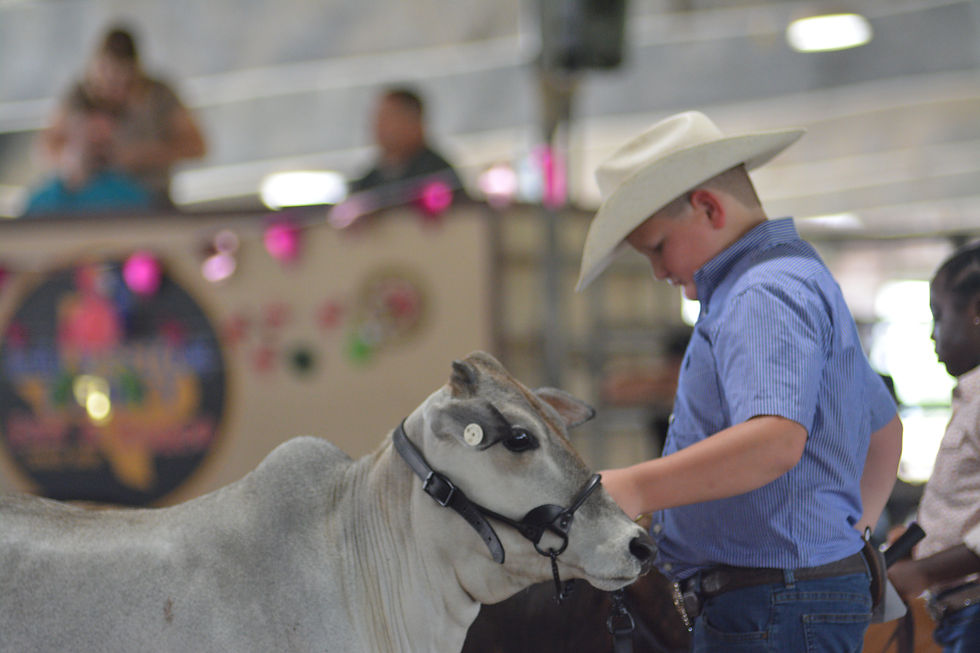
Zebus have distinctive humps and dewlaps that make them popular in livestock shows. If you are interested in breeding, showing, or preserving the breed, you will want to focus on pedigree, conformation, and genetics. Breeding zebus requires more knowledge and commitment but can be rewarding for enthusiasts.
Pets and Companionship
Some people keep zebus as pets or companion animals due to their calm temperament and manageable size compared to larger cattle breeds. They can be trained and socialized, making them suitable for hobby farms or educational settings.
All of the Above
It is possible to combine these uses, such as keeping a small herd for milk, occasional meat, and showing. Your choice depends on your goals, time, and resources.
Deciding Whether to Breed or Manage a Few Zebus
Before purchasing, decide if you want to breed zebus or simply manage a small number.
Breeding: Requires knowledge of genetics, health management, and record-keeping. You will need separate areas for bulls and cows, calving facilities, and a plan for selling or keeping offspring.
Managing a Few: Easier for beginners. You can focus on care, feeding, and basic health without the complexities of breeding.
Bulls require more skill and caution than steers or cows, and should be carefully considered by new livestock owners.
Breeding zebus can increase your investment and workload but offers opportunities for income and herd improvement.
Space Requirements for Zebus
Zebus are hardy but still need adequate space to thrive.
Pasture Size: A general rule is .5 to 1 acre per adult zebu for grazing. This depends on pasture quality and climate.
Exercise Area: Zebus benefit from open space to move freely, which supports their health and behavior.
Shelter Space: Provide at least 40 to 50 square feet per animal inside a shelter to protect them from extreme weather.
If you plan to keep multiple zebus, ensure your land can support their grazing needs without overuse. Supplementing poor or overcrowded pastures with hay and/or grain may be necessary to keep your zebu's nutritional needs met.
Shelter Needs for Zebus
Zebus tolerate heat well but need shelter from rain, cold, and wind.
Basic Shelter: A three-sided shed or barn with a roof is sufficient in many climates.
Ventilation: Good airflow prevents respiratory issues.
Bedding: Use straw or wood shavings to keep the floor dry and comfortable.
Shade: In hot climates, natural or artificial shade is essential to prevent heat stress.
Shelter design should consider local weather patterns and the number of animals.
Fencing Requirements for Zebus
Proper fencing keeps zebus safe and contained.
Fence Type: Strong woven wire or high-tensile electric fencing works well.
Height: At least 4.5 to 5 feet tall to prevent jumping or leaning over.
Durability: Zebus are strong and can push against fences, so sturdy posts and tight wire are necessary.
Gates: Secure gates with latches that cannot be easily opened by animals.
Regular fence inspection and maintenance is always best practice to prevent escapes and injuries.
Average Annual Cost of Owning One Zebu
Owning a zebu involves several ongoing expenses. Costs vary by location, feed prices, and management style, but here is a general breakdown:
| Expense Category | Estimated Annual Cost (USD) |
|-----------------------|-----------------------------|
| Feed and Supplements | $300 - $600 |
This can increase based on Pasture quality and what you are doing with your zebu. Show cattle require more grain and supplement than pets.
| Veterinary Care | $100 - $300 |
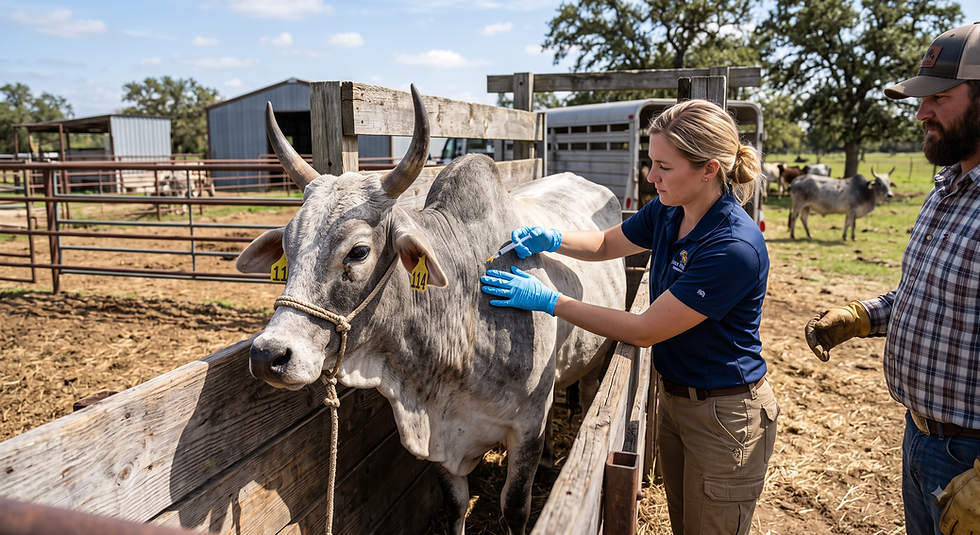
Vet care is never cheap, and preventative care like deworming, hoof trimming, and good nutrition can help keep vet visits down.
| Shelter Maintenance | $50 - $150 |
| Fencing Upkeep | $50 - $100 |
| Miscellaneous Supplies| $50 - $100 |
| Total | $550 - $1,250 |
These costs assume moderate care and no major health issues. Breeding and showing increases expenses due to additional feed, veterinary care, and facilities.
Tips for First-Time Zebu Owners
Start Small: Begin with one or two animals to learn their needs.
Research Local Regulations: Check zoning laws and livestock ordinances.
Connect with Experienced Owners: Join local or online zebu groups for advice.
Plan for Emergencies: Have a vet lined up and a plan for extreme weather.
Keep Records: Track health, breeding, and expenses for better management.

Comments